
Passive Fire Protection
Passive Fire Protection can help save lives and reduce property damage in both residential and commercial settings. Unlike active fire protection systems such as alarms and sprinklers, passive fire protection works silently in the background, built directly into the fabric of your building to contain and slow the spread of fire and smoke.
Having a professionally installed passive fire protection system ensures your building meets current fire safety regulations and gives occupants the precious time they need to evacuate safely in the event of an emergency.
Here are some of the key benefits of Passive Fire Protection:
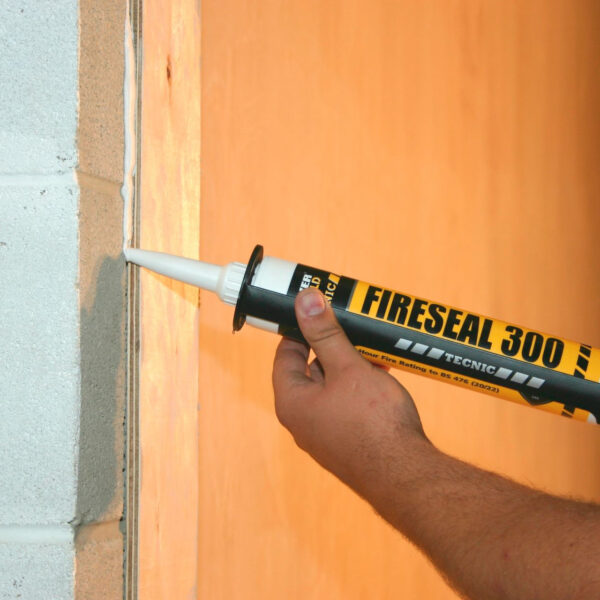
Here are some key benefits of passive fire protection
Certified fire doors act as a critical barrier, holding back flames and containing fire to its area of origin.
Strategically positioned fire doors safeguard corridors and stairwells, ensuring evacuation paths remain safe and usable.
By resisting fire for 30, 60, or even 120 minutes, fire doors give occupants the vital time needed to escape safely.
Smoke seals and intumescent strips block harmful fumes, protecting occupants from the leading cause of fire-related injuries.
Containing fire to a single compartment dramatically reduces overall destruction, saving costly repairs and lost assets.
Robust construction shields walls, floors, and structural elements from intense heat, helping preserve building integrity.
Professionally installed and maintained fire doors meet Building Regulations and all relevant fire safety legislation.
A fully certified fire door system gives owners and occupants complete confidence that the building is properly protected.
FAQ
Passive Fire Protection refers to built-in fire safety measures designed to contain or slow the spread of fire and smoke without requiring activation (unlike sprinklers or alarms). It’s part of a building’s structural and compartmentation system.
- Passive Fire Protection: Works automatically through fire-resistant walls, floors, doors, coatings, and firestopping systems.
- Active Fire Protection: Requires activation (e.g., sprinklers, fire alarms, suppression systems).
Both systems work together to protect life and property.
Fire-Resistant Walls & Compartmentation
- Fire-rated walls and floors
- Fire doors and dampers
- Compartmentation systems
These systems prevent fire and smoke from spreading between areas.
Firestopping Systems
- Sealing gaps around pipes, ducts, and cables
- Intumescent materials that expand when exposed to heat
Firestopping restores fire resistance where services penetrate walls and floors.
Intumescent Coatings
- Applied to structural steel
- Expand when exposed to high temperatures
- Insulate the structure and delay collapse
Most PFP systems are designed to last for the life of the building, if properly installed and maintained. However, modifications (new cables, pipes, renovations) may compromise systems and require reinspection.
PFP is required in:
- Commercial buildings
- Industrial facilities
- Hospitals
- Residential complexes
- Schools and public buildings
Local building codes determine specific requirements.
- Increased fire spread risk
- Potential structural failure
- legal liability
- Insurance claim issues
Regular inspections are critical.
- At installation
- After renovations or service penetrations
- During routine building safety audits
Get a Free Consultation
Fill out the form below and our expert team will get back to you within 24 hours