
Fire Door
Inspection, Installation, Maintenance Repair of existing doorsets.
Correctly installed and maintained fire doors can help save lives, reduce property damage, and ensure the safety of everyone in your commercial premises. Fire doors are a critical component of any buildings passive fire protection strategy, and when properly installed and regularly maintained, they form an essential barrier against the spread of fire and smoke.
As a legal requirement in most commercial buildings, ensuring your fire doors are compliant, fully functional, and regularly inspected cannot be overlooked. Caldera FS provides a thorough and professional fire doorset service to keep your premises safe and compliant at all times.
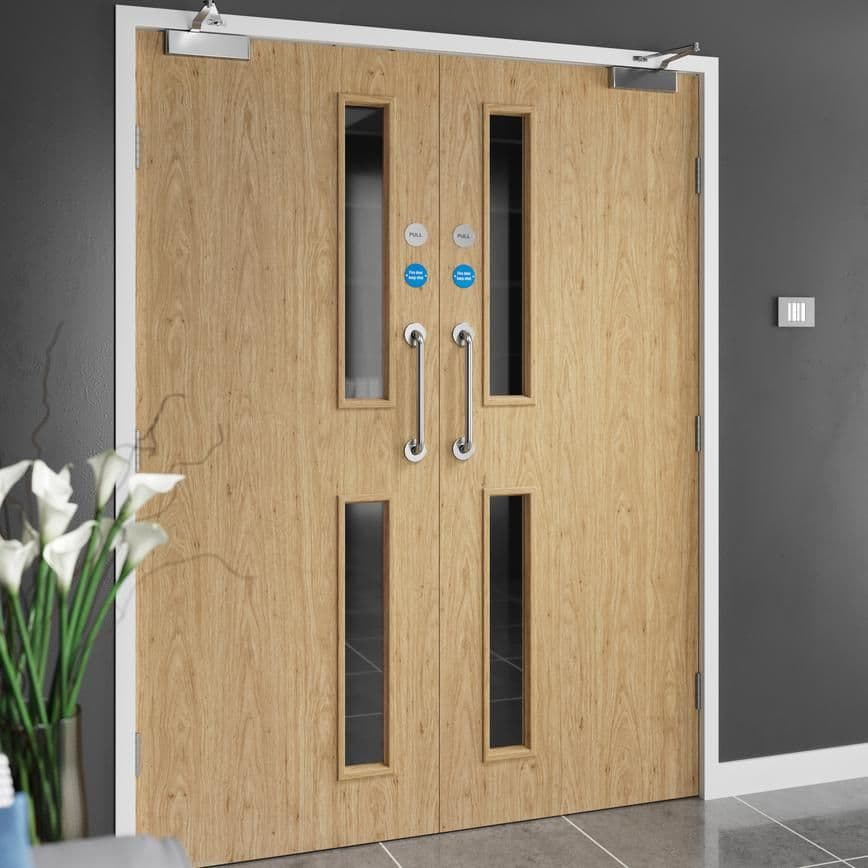
Here are some key benefits of fire doors
Certified fire doors act as a critical barrier, holding back flames and containing fire to its area of origin.
Strategically positioned fire doors safeguard corridors and stairwells, ensuring evacuation paths remain safe and usable.
By resisting fire for 30, 60, or even 120 minutes, fire doors give occupants the vital time needed to escape safely.
Smoke seals and intumescent strips block harmful fumes, protecting occupants from the leading cause of fire-related injuries.
Containing fire to a single compartment dramatically reduces overall destruction, saving costly repairs and lost assets.
Robust construction shields walls, floors, and structural elements from intense heat, helping preserve building integrity.
Professionally installed and maintained fire doors meet Building Regulations and all relevant fire safety legislation.
A fully certified fire door system gives owners and occupants complete confidence that the building is properly protected.
FAQ
A fire door is a specially constructed door designed to resist fire and smoke for a specified period (e.g., 30, 60, 90 minutes). It’s part of a tested fire door assembly that includes the door leaf, frame, hardware, seals, and glazing (if any).
Fire doors compartmentalise a building to:
- Slow the spread of flames and heat
- Limit smoke movement
- Protect escape routes (stairs, corridors)
- Buy time for evacuation and firefighting
When closed, intumescent strips expand under heat to seal gaps and block smoke and hot gases.
Look for:
- Heavier construction than a typical interior door, often using solid-core timber, steel, or other fire-resistant materials.
- A certification label or metal plate on the hinge edge or top of the door
- Intumescent seals in the frame or door edge
- Self-closing hinges or door closers
- FD30: 30 minutes of fire resistance
- FD60: 60 minutes
- Higher ratings (e.g., 90 or 120 minutes) are used in higher-risk areas
- S-rated: is a fire door that has been tested and certified to provide resistance in addition to its fire-resistance rating.
The rating refers to the duration the door assembly has been tested to withstand fire under standardised conditions.
Generally, no—not without proper approval. Drilling holes, changing hardware, trimming the door, or adding pet flaps can void certification. Always consult a certified fire door professional before modifications.
Yes—unless they are held open by an approved automatic release device. Propping a fire door open with a wedge is unsafe and illegal.
Typically:
- Commercial buildings
At least twice a year.
- High-traffic areas
More frequent checks are required, possibly every three months.
Residential Buildings (England)
Communal fire doors: inspected every 3 months
Flat entrance doors: inspected at least every 12 months
These checks apply to residential buildings over 11 metres in height.
Yes, but only with fire-rated glazing installed as part of a tested assembly. The glass must meet the same fire rating as the door.
Get a Free Consultation
Fill out the form below and our expert team will get back to you within 24 hours